
Exploring the intriguing evolution of gambling through the ages
The Origins of Gambling
The history of gambling stretches back thousands of years, rooted in ancient civilizations such as Mesopotamia and China. Archaeological findings indicate that dice, one of the earliest forms of gambling, date back to around 3000 BCE. These early games were often associated with rituals and were seen as a way to predict the future or communicate with the divine. As players seek modern alternatives, many discover https://casoola-casino.nz/, blending tradition with contemporary gaming experiences.

As societies evolved, so did their approach to games of chance. The Romans, for instance, popularized betting on gladiatorial contests, while in ancient China, gambling became an intrinsic part of social gatherings, paving the way for games like Keno. These early iterations of gambling set the stage for the intricate systems and regulations that would develop in later centuries.
The Rise of Gambling in Medieval Times
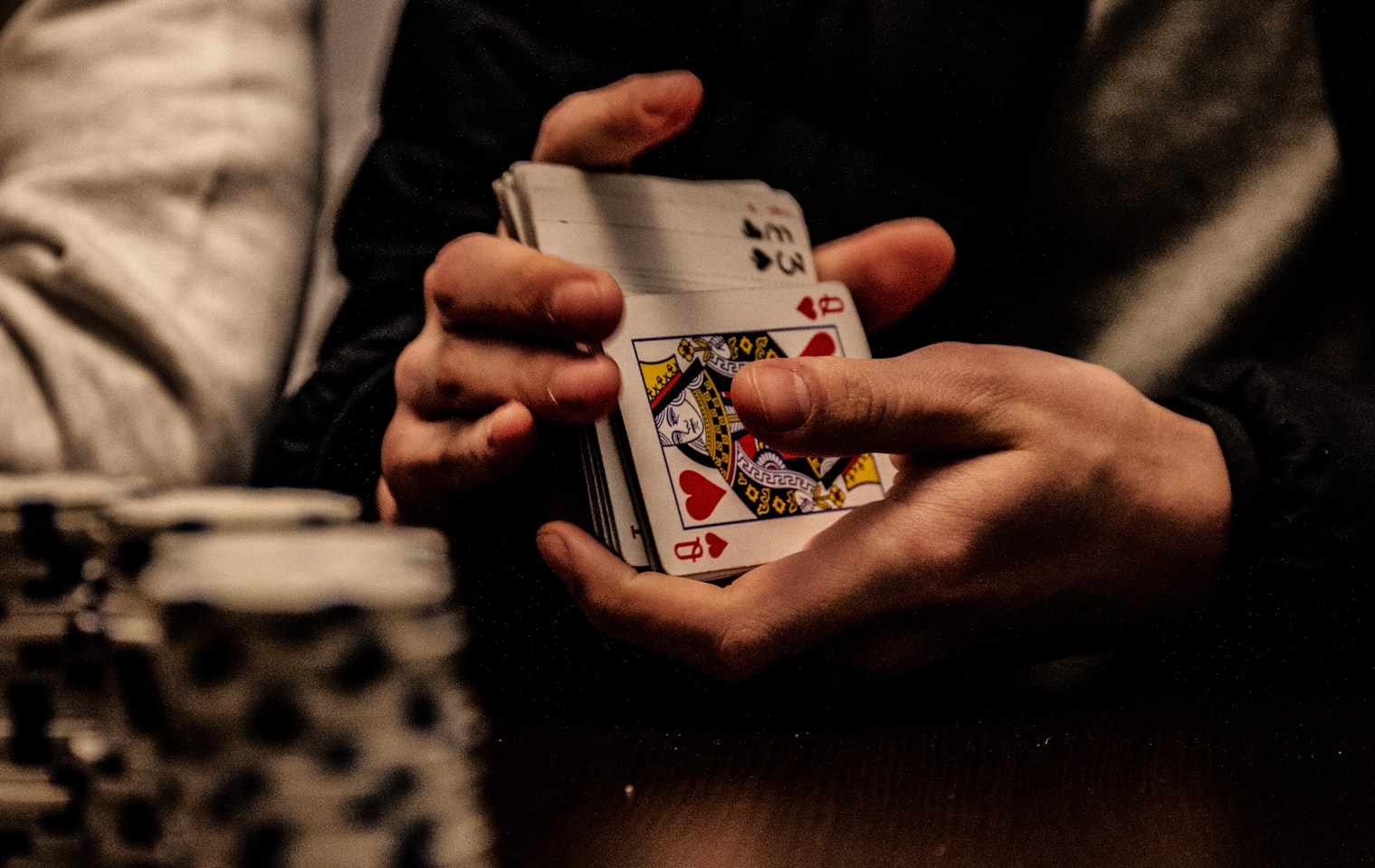
During the medieval period, gambling continued to thrive, particularly in Europe. The invention of playing cards in the 14th century marked a significant advancement in gambling practices. These cards were initially handcrafted and became a popular pastime among the nobility, leading to the establishment of various card games that remain popular today.
Additionally, the introduction of lotteries during this time provided a new avenue for gambling. Governments often sponsored these lotteries to fund public projects, thus intertwining gambling with civic responsibility. The appeal of chance and fortune continued to captivate people, further embedding gambling into the social fabric of medieval life.
The Evolution of Gambling in the Modern Era
The 18th and 19th centuries witnessed significant changes in gambling, with the establishment of formal casinos and the legalization of betting in various countries. Monte Carlo, often dubbed the gambling capital of the world, opened its doors in the mid-19th century, attracting the elite and changing the perception of gambling from a pastime of the lower classes to a glamorous activity.
Furthermore, the Industrial Revolution brought about innovations such as the mechanical slot machine, leading to a rise in popularity among the general populace. The advent of these machines shifted gambling into a more accessible domain, enabling people from different backgrounds to engage in games of chance without needing specialized knowledge or skills.
The Digital Revolution and Online Gambling
The late 20th century heralded the digital revolution, transforming gambling once again. The emergence of the internet allowed online casinos to flourish, giving players access to a vast array of games from the comfort of their own homes. This shift not only expanded the market but also enhanced the accessibility and convenience of gambling.
Today, online platforms offer an unparalleled gaming experience, featuring advanced graphics, live dealers, and interactive elements. Additionally, the rise of mobile gambling apps has made it possible for individuals to play anywhere, further reshaping the landscape of gambling in our contemporary society.
Casoola Casino: A Modern Gaming Experience
For those looking to delve into the world of online gambling, Casoola Casino presents an exceptional option. Launched in 2026, this modern online casino offers a diverse library of over 12,000 games, including a wide array of slots and an engaging live casino experience. With a commitment to player safety and responsible gaming, Casoola operates under an international license and provides 24/7 customer support.
New users are welcomed with generous bonuses, ensuring a robust start to their gaming journey. With seamless gameplay and exciting promotions, Casoola Casino embodies the evolution of gambling, blending tradition with innovation to create an engaging environment for players in New Zealand and beyond.